
Blog
- Home
- Blog
Hydraulic Quick Hitch Best Options for Global Buyers?
When it comes to enhancing efficiency and versatility in construction or agriculture, choosing the right Hydraulic Quick Hitch is crucial. The hydraulic quick hitch serves as a connector, allowing operators to switch attachments swiftly. This feature can significantly reduce downtime and improve productivity on the job site. Each model varies in design and functionality, making it essential for global buyers to assess their needs carefully.
Selecting the best hydraulic quick hitch can be challenging. Factors like compatibility, hydraulic capacity, and durability must be considered. Buyers often face an overwhelming array of options. They may need to rely on industry reviews and professional recommendations to make informed choices. It's important to acknowledge that not all products live up to their promises. Evaluating real-world performance is vital for ensuring reliability.
Many buyers overlook the importance of quality and reputation in their decision-making process. Investing in a well-reviewed hydraulic quick hitch pays off in the long run. A substandard hitch can lead to operational setbacks. Fortunately, industry standards are evolving. More manufacturers are prioritizing safety and performance, leading to a broader selection of dependable products in the market.
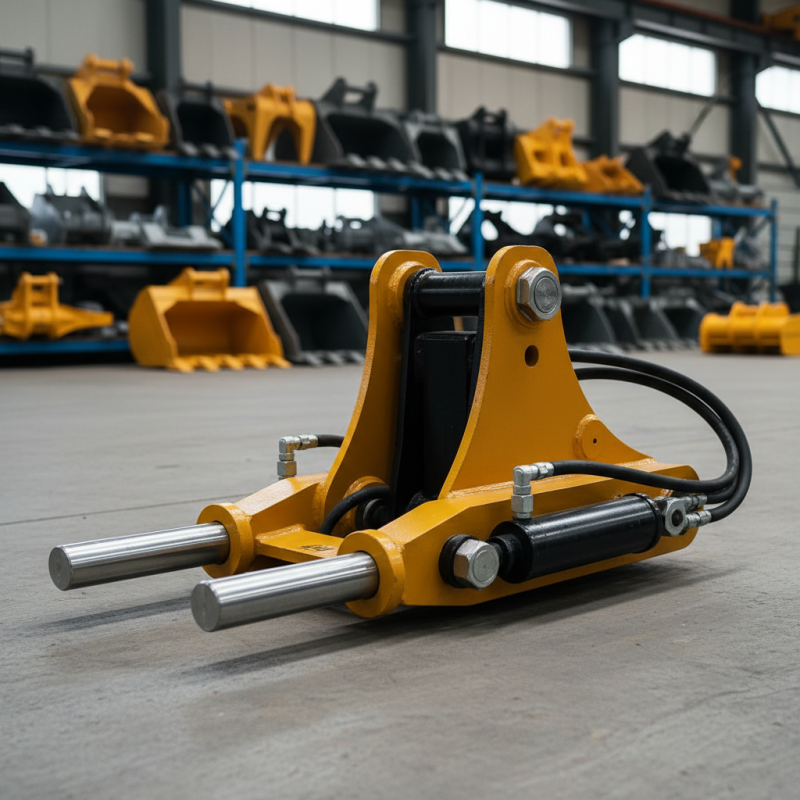
Hydraulic Quick Hitch Overview: Definition and Functionality
Hydraulic quick hitches are essential attachments for heavy machinery. They allow for easy switching between various implements, enhancing productivity on job sites. The mechanism works by using hydraulic pressure to release and lock attachments seamlessly. This functionality reduces downtime and increases operational efficiency.
However, choosing the right hydraulic quick hitch requires careful consideration. Not all designs are compatible with every machine type. Buyers need to assess their machinery specifications and the specific tasks they aim to perform. Some hitches may not lock securely in demanding environments. Ensuring reliability and safety is crucial.
Additionally, while hydraulic quick hitches simplify attachment changes, they can also introduce complexities. Maintenance is vital to prevent failures. Regular checks on hydraulic lines and locking mechanisms can prevent accidents. Users sometimes overlook these details, leading to safety concerns. A thorough understanding of a hitch’s design helps avoid potential issues, ensuring smooth operations.

Hydraulic Quick Hitch Adoption Rates by Region (2023)
Key Benefits of Using Hydraulic Quick Hitches in Excavation
Hydraulic quick hitches have become essential tools in excavation projects worldwide. Their main advantage lies in the enhanced efficiency they provide. According to industry reports, these devices can reduce attachment changeover time by up to 30%. This allows operators to switch between buckets and tools rapidly, optimizing machine usage and productivity.
Ease of operation is another critical benefit. The ability to attach and detach implements with a push of a button minimizes downtime. Operators can focus on the task at hand rather than struggling with manual connections. However, it is essential to maintain these hitches properly. Regular inspections can prevent accidents due to mechanical failures, which could lead to costly delays in projects.
Tip: Always verify the compatibility of your quick hitch with different attachments. Using incompatible equipment can lead to performance issues or safety risks.
Another factor to consider is the versatility hydraulic quick hitches bring to various applications. They are suitable for diverse tasks from trenching to demolition. Despite these advantages, buyers should be aware of the initial investment costs. Selecting the right model requires careful assessment of your project's demands. Evaluating workload and attachment types can guide a more informed purchasing decision.
Market Trends: Global Demand for Hydraulic Quick Hitches by Region
The global demand for hydraulic quick hitches is on the rise. Various regions show unique trends in usage. In North America, construction activity is driving this demand. More contractors seek reliable and efficient attachments to enhance productivity. This trend reflects the region’s focus on modernization and efficiency.
In Europe, the market leans towards versatile equipment. Many buyers prioritize quick hitches that offer compatibility with multiple models. This indicates a shift towards flexibility in construction practices. Meanwhile, in Asia, rapid urbanization fuels the need for efficient machinery. Here, buyers seek high-performance solutions without necessarily compromising on cost.
Despite the growing demand, challenges persist. Some regions struggle with the logistical aspects of importing these products. Additionally, quality control can be inconsistent. Buyers often find themselves questioning the reliability of available options. Addressing these issues is crucial for sustaining market growth. Investing in local production might be a viable solution for some companies. Such steps could enhance trust and streamline access to quality hydraulic quick hitches.
Top Manufacturers of Hydraulic Quick Hitches and Their Market Shares
When exploring the market for hydraulic quick hitches, understanding the key manufacturers is crucial. Some companies dominate the sector, with distinct market shares reflecting their influence. They provide various models tailored to different machinery needs. Insights into their offerings reveal a trend toward innovation and reliability.
Not all manufacturers maintain a strong presence globally. Some struggle with quality control and delivery issues. Often, their products fail to meet industry standards. This inconsistency can lead to delays and decreased efficiency on job sites. Reflecting on these shortcomings is essential for buyers considering their options.
Another aspect is the evolving technology in hydraulic quick hitches. As manufacturers invest in research and development, new features emerge. Enhanced durability and ease of use are now priorities. Buyers must remain informed about these developments to make wise purchasing decisions. Understanding the landscape can help navigate this competitive market effectively.
Safety Standards and Regulations Impacting Hydraulic Quick Hitch Usage
Hydraulic quick hitches enhance the efficiency of machinery by allowing quick attachment changes. However, safety standards are crucial when considering their usage. A report from the International Organization for Standardization (ISO) indicates that equipment-related accidents account for 30% of construction site injuries. This emphasizes the necessity of adhering to safety regulations.
Adopting safety standards, such as ISO 13031, can reduce accidents. This standard outlines the design and performance criteria for quick hitches. Compliance ensures that the equipment is safe and reliable. However, not all manufacturers meet these guidelines. Some might overlook essential certification, leading to potential risks on-site.
In the United States, the Occupational Safety and Health Administration (OSHA) emphasizes regular inspections. Equipment must be checked for wear and tear. Reports reveal that improperly maintained equipment increases the likelihood of accidents. This presents a challenge for operators. Continuous education on safety practices is vital. It is not just about having the right equipment; it’s also about correctly utilizing it.
(780) 669-9420