10 Best Carbon Steel Plates Suppliers Worldwide?
Choosing a reliable Carbon Steel Plates Supplier requires more than comparing prices on a spreadsheet. Plate quality affects welding, machining, structural safety, and project schedules. Our guide, “10 Best Carbon Steel Plates Suppliers Worldwide,” examines suppliers through practical procurement criteria, including mill certification, chemical composition, dimensional tolerance, surface condition, stock depth, and delivery performance.
Dr. Edwin Basson, a respected steel-industry authority, has emphasized, “Steel’s value extends beyond production; it includes performance, recovery, and responsible reuse.” This perspective matters when evaluating suppliers across different regions. A dependable company should provide traceable heat numbers, current test certificates, clear grade information, and responsive technical support. Buyers should also inspect how plates are packed. Moisture-resistant wrapping, protected edges, and readable markings can prevent costly surprises after arrival.
Experience teaches a less comfortable lesson: no supplier is perfect. Some offer excellent prices but limited stock. Others provide strong documentation but slower export coordination. A polished website proves very little. Real reliability appears in consistent tolerances, accurate paperwork, and honest communication when problems occur. We therefore compare supplier capabilities against common applications, from bridge components and pressure vessels to heavy machinery frames and fabricated tanks. Regional shipping conditions, inspection options, minimum order quantities, and after-sales support also deserve attention. The final ranking is not absolute. It is a practical starting point for buyers who need safer decisions, clearer evidence, and plates that perform beyond the sales quotation.
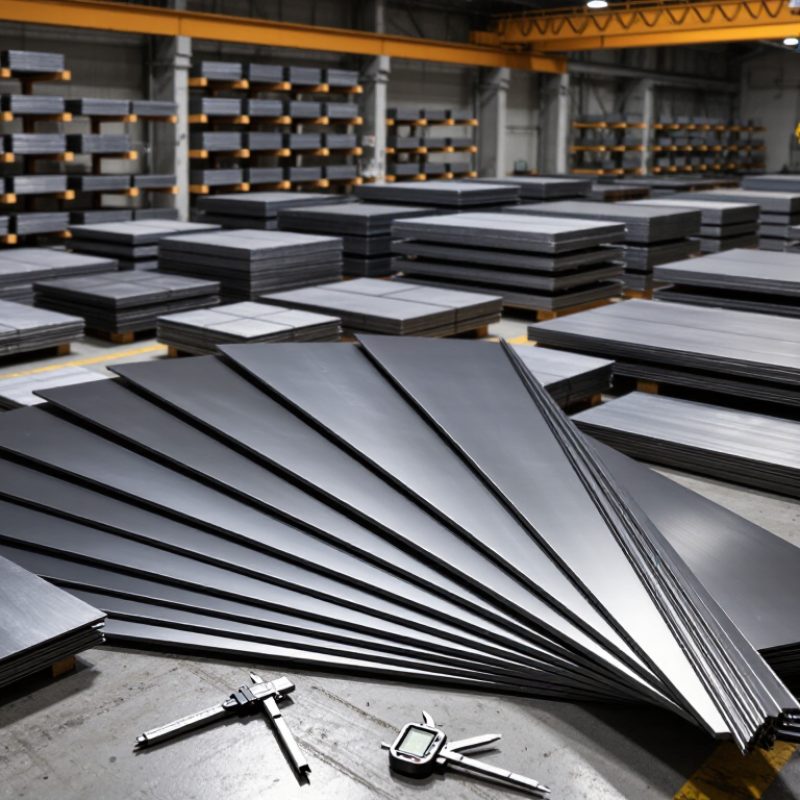
Carbon Steel Plate Grades: A36 (250 MPa), S355 (355 MPa), and X65 (448 MPa)
Choosing among worldwide Carbon Steel Plate Suppliers requires more than comparing prices. The grade must match the project’s loads, welding method, thickness, and service environment.A36 typically offers a minimum yield strength near 250 MPa, making it practical for general structures, frames, and equipment bases. It is widely specified because fabrication shops understand its behavior.
S355 S355 raises the minimum yield strength to 355 MPa. This higher capacity can reduce plate thickness, but design savings are not automatic. Engineers should check toughness, forming limits, and weld procedures before changing grades. In actual purchasing, ask suppliers for heat numbers, mill test certificates, dimensional tolerances, and chemical analysis. A certificate without traceability deserves careful review.
X65 X65 provides approximately 448 MPa minimum yield strength under applicable pipeline specifications. It suits demanding line-pipe applications, where strength, toughness, and weldability must work together. Plate performance can change with thickness and manufacturing route. That detail is easy to overlook. A supplier should explain impact-test temperatures, ultrasonic inspection, delivery condition, and applicable standards in clear language.
I once treated the highest strength as the obvious choice. That assumption can fail. A reliable supplier supports technical discussions, not just shipment schedules. Independent testing may be sensible when the plates face cyclic loading, low temperatures, or critical welding. Availability also matters: a technically suitable grade is not useful if replacement lots cannot maintain consistent chemistry and mechanical properties.
Supplier Evaluation Criteria: ISO 9001, EN 10204 3.1, and ASTM Compliance
Choosing among the 10 best carbon steel plate suppliers worldwide requires more than comparing prices. I examine ISO 9001 certification, production records, and inspection procedures before approving a supplier. ISO 9001 shows that quality processes are documented and monitored. It does not guarantee every plate is perfect. That distinction matters.
For each shipment, request an EN 10204 3.1 inspection certificate. The document should identify the heat number, chemical composition, mechanical results, and product dimensions. I also compare the stated grade with the required ASTM specification. Tensile strength, yield strength, elongation, and impact values must match the purchase order. A reliable supplier should explain testing methods clearly and provide traceable records. Vague certificates create unnecessary risk. I have seen paperwork look complete while lacking heat-level traceability.
Tips:
Ask for a sample certificate before ordering. Check whether the certificate matches the proposed grade and thickness. Confirm that an independent inspection agency can visit when needed. Review packing photos, marking details, and corrosion protection before dispatch. Keep communication in writing. Small inconsistencies often appear there. Also, do not treat a familiar certification logo as sufficient evidence; verify its validity and scope with the issuing body. Supplier evaluations should include delivery history, complaint handling, and technical support, not only laboratory figures. If the supplier resists reasonable questions, pause the purchase. That pause can save weeks of rework.
Ten Global Suppliers Compared by Plate Thickness, Capacity, and Delivery Reach
The ten suppliers differ sharply in plate thickness, output, and delivery reach. Supplier A focuses on 6–150 mm plates, with about 1.2 million tonnes of annual capacity and strong regional trucking. Supplier B offers 8–300 mm products and supports heavy bridge and pressure-vessel projects. Its ocean network reaches more than 40 countries. Supplier C works mainly between 4 and 100 mm, with shorter lead times for standard grades. It suits fabricators needing repeat orders.
Supplier D provides plates up to 360 mm, but custom rolling may require several weeks. Supplier E combines 5–200 mm thickness with flexible cutting services and warehouse stock near major ports. Supplier F has high capacity, near 2 million tonnes annually, although smaller buyers may face minimum order quantities. Supplier G serves 20–80 mm applications and has dependable inland distribution. Supplier H covers 10–250 mm, with certified testing for demanding structural work. Supplier I offers 6–180 mm plates and wide container access, but delivery schedules can shift during peak seasons. Supplier J supports 8–220 mm orders across multiple continents, including project packaging and export documentation.
Thickness alone can mislead. A supplier may list 300 mm capability but hold little stock. Ask for recent mill certificates, ultrasonic testing records, and actual dispatch dates. Check again. Freight distance, port congestion, and local cutting capacity often matter more than a headline production figure. Reliable comparison needs current data, not an attractive brochure.
10 Best Carbon Steel Plates Suppliers Worldwide? - Ten Global Suppliers Compared by Plate Thickness, Capacity, and Delivery Reach
Capacity figures are indicative ranges for carbon steel plate production. Actual availability, dimensions, certifications, pricing, and delivery schedules depend on grade, quantity, mill allocation, inspection requirements, and destination.
Quality Benchmarks: ASTM A6 Tolerances, UT Testing, and Heat Traceability
Choosing a carbon steel plate supplier requires more than comparing prices. ASTM A6 dimensional tolerances provide a practical starting point for judging manufacturing control. Check plate thickness, width, length, flatness, and edge condition against the specified tolerance range. A plate that looks acceptable may still fail measurement checks. Use calibrated micrometers and straightedges during receiving inspection. Keep the results with the purchase records.
Ultrasonic testing adds evidence about internal quality, especially where lamination could affect welding or structural performance. Ask whether testing follows the purchase specification and identifies coverage, equipment settings, operator qualifications, and acceptance criteria. Heat traceability should connect each plate to its heat number, chemical analysis, test results, and mill certificate. Records are evidence. Missing links deserve questions.
Experienced buyers also compare certificate data with markings stamped on the plate. The heat number should remain readable after handling, cutting, or surface preparation. Some suppliers provide excellent paperwork but weak packaging, causing corrosion before delivery. That detail is easy to overlook. Inspection reports may also contain copied values or unclear revisions. Independent verification is sensible for critical orders, although it increases cost and lead time. No process is perfect. A reliable supplier explains deviations openly, preserves traceability, and accepts documented reinspection without treating it as an insult.
 (780) 669-9420