
Blog
- Home
- Blog
Top 10 Benefits of Using Permanent Magnet DC Motors in Industry?
In recent years, the use of Permanent Magnet DC Motors has surged in various industrial applications. These motors provide numerous benefits, including high efficiency and compact design. According to a report by MarketsandMarkets, the global Permanent Magnet Motors market is projected to reach $23 billion by 2025. This reflects growing reliance on advanced motor technology.
Dr. Emily Carter, a prominent expert in electric motor design, emphasizes, "Permanent Magnet DC Motors are revolutionizing efficiency in industrial applications." Her insights underline the need for innovation in motor technology. Industries are shifting towards these motors to optimize performance and reduce costs.
However, reliance on Permanent Magnet DC Motors also requires careful consideration. The materials used for magnets can be costly, which may affect project budgets. Additionally, while the benefits are significant, potential drawbacks like heat generation cannot be ignored. A balanced approach to implementing these motors will be crucial for maximizing their advantages while minimizing shortcomings.
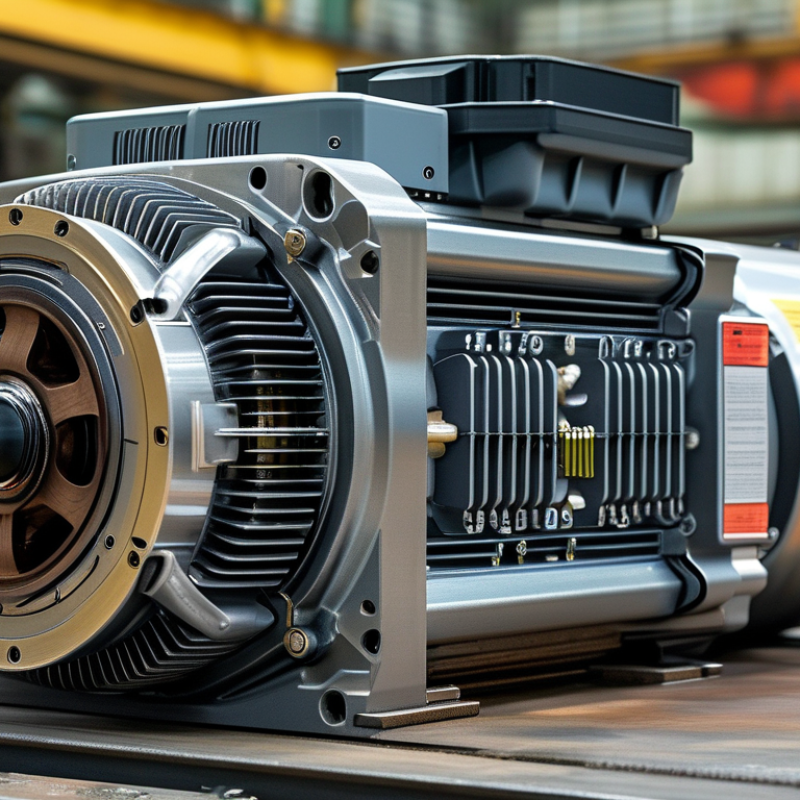
Key Advantages of Permanent Magnet DC Motors in Industrial Applications
Permanent magnet DC motors have gained popularity in various industrial applications due to their numerous benefits. One major advantage is their compact design. These motors can produce high torque in a smaller footprint. This is particularly useful in confined spaces where size restrictions exist. Additionally, they exhibit high efficiency and lower energy consumption. This not only reduces operational costs but also supports sustainability initiatives.
Another key benefit is their simple construction. With fewer moving parts, permanent magnet DC motors often require less maintenance. This reliability can lead to decreased downtime in industrial environments. Furthermore, their precise speed control enhances overall productivity. Operators can optimize processes with accurate adjustments.
However, challenges remain. The initial cost of permanent magnet materials can be higher. Businesses must weigh long-term savings against upfront investments. Also, temperature changes may affect performance. Careful consideration is required to ensure they meet specific application needs. Understanding these nuances can lead to better decision-making in motor selection.
Improved Energy Efficiency and Reduced Operating Costs
Permanent Magnet DC Motors (PMDC) have become a staple in numerous industrial applications, thanks to their superior energy efficiency. Reports indicate that these motors can achieve efficiencies exceeding 90%, which is a significant improvement compared to traditional AC motors that usually operate at about 70-85% efficiency. This enhanced performance translates directly to lower energy costs. For businesses operating multiple machines, even a small increase in efficiency can lead to substantial savings.
Additionally, the reduced operating costs associated with PMDC motors are noteworthy. The absence of brush wear and the significant reduction in maintenance needs make these motors more cost-effective over time. A study by the International Energy Agency points out that companies adopting PMDC technology can lower maintenance costs by up to 40%, allowing more budget allocation to critical operations. Despite these benefits, it's crucial to assess whether the initial investment aligns with your operational goals. The cost of switching to PMDC motors could be high, which might deter some businesses from making the leap.
Energy efficiency may come with complexities. The control systems for PMDC motors can require a steep learning curve. Proper implementation demands trained personnel and the right infrastructure in place. While the energy savings potential is clear, organizations must revisit their operational frameworks. Balancing the upfront costs against long-term savings is essential for a successful transition.
Compact Size and Lightweight Design Benefits in Equipment
Permanent Magnet DC (PMDC) motors are gaining traction in various industries due to their compact size and lightweight design. These characteristics play a crucial role in optimizing equipment performance. For example, the lightweight nature of PMDC motors can reduce overall machinery weight, which can enhance energy efficiency. The U.S. Department of Energy highlights that minimizing motor weight can lead to significant energy savings, as less energy is needed to move lighter equipment.
In robotics and aerospace applications, the compact design of PMDC motors is particularly advantageous. Their small footprint allows for integration into limited spaces. According to a recent industry report, over 30% of companies in these sectors have reported improved performance due to the use of smaller motors. This improvement contributes to greater flexibility in product design and layout.
Tips: To maximize the advantages of PMDC motors, engineers should consider their applications carefully. Evaluating the specific power and torque requirements can lead to better performance outcomes. Furthermore, regular maintenance can help sustain the performance of these motors despite their compact designs.
Superior Torque-to-Weight Ratio for Enhanced Performance
Permanent Magnet DC (PMDC) motors exhibit a superior torque-to-weight ratio, making them highly effective for various industrial applications. This quality enables engineers to design lighter and more compact systems without compromising power output. According to a report by the International Electrotechnical Commission, PMDC motors typically provide up to 50% more torque compared to traditional motors of similar weight. This advantage translates into improved overall efficiency in applications such as robotics and conveyor systems.
In sectors where space and weight restrictions are vital, the attributes of PMDC motors shine brightly. Their lightweight design allows for increased performance in tight environments. For example, automotive manufacturers are increasingly using PMDC motors in electric vehicles to enhance acceleration and reduce energy consumption. However, reliance on these motors can also present challenges. Their performance can degrade without proper cooling systems, highlighting the need for thorough thermal management. This can impact operational longevity if not addressed adequately, showcasing the need for continuous improvement in design approaches.
Top 10 Benefits of Using Permanent Magnet DC Motors in Industry
| Benefit | Description | Application Areas |
|---|---|---|
| Superior Torque-to-Weight Ratio | Delivers higher performance with a smaller and lighter motor design. | Robotics, Aerospace |
| High Efficiency | Operates with less energy loss compared to other motor types. | Manufacturing, HVAC Systems |
| Low Maintenance | Fewer moving parts lead to lower maintenance requirements. | Industrial Equipment, Conveyors |
| Compact Design | Space-saving design suitable for limited spaces. | Automotive, Robotics |
| Temperature Stability | Performs reliably across a wide range of temperatures. | Aerospace, Military Applications |
| Simpler Control | Easier to control speed and torque without complex systems. | Home Appliances, Fans |
| High Starting Torque | Excellent starting torque, enhancing startup performance. | Wind Turbines, Elevators |
| Noise Reduction | Quieter operation compared to traditional motors. | Consumer Electronics, Medical Equipment |
| Longer Lifespan | Durable design that extends motor life. | Heavy Machinery, Transportation |
| Regenerative Braking | Ability to recover energy during braking processes. | Electric Vehicles, Trains |
Reduced Maintenance and Longer Lifespan Compared to Other Motors
Permanent Magnet DC (PMDC) motors have gained traction in industrial applications due to their reduced maintenance needs and extended lifespans. According to a recent industry report by the International Journal of Advanced Manufacturing Technology, PMDC motors require up to 50% less maintenance compared to traditional induction motors. This is largely due to their simpler design, which typically lacks brush wear and the need for frequent servicing.
The longevity of PMDC motors is another highlight. They often exceed a lifespan of 10,000 hours of continuous operation. This is supported by studies from the Electric Power Research Institute, which indicate that the inherent efficiency of PMDC motors minimizes heating and wear. This resilience not only translates to less downtime but also higher productivity levels in manufacturing environments. Yet, it is crucial for operators to remain vigilant. While the motors are robust, environmental factors such as humidity and dust can still impact performance and maintenance schedules.
In a world where time is money, minimizing the need for repairs is paramount. PMDC motors help businesses achieve this goal, but careful monitoring is essential. Operators must adapt to the unique characteristics of their systems to ensure optimal operation over the motor's lifespan. This careful consideration can unlock even greater efficiencies in industrial applications.
Conclusion
Permanent Magnet DC Motors (PMDC) offer numerous advantages that make them a preferred choice in various industrial applications. One of the key benefits is their improved energy efficiency, which leads to significant reductions in operating costs. Additionally, the compact size and lightweight design of PMDC motors facilitate easier integration into equipment, optimizing overall performance and space utilization.
Moreover, these motors possess a superior torque-to-weight ratio, which enhances their performance in demanding applications. They also require less maintenance and boast a longer lifespan when compared to traditional motor types, resulting in decreased downtime and maintenance expenses. The versatility of Permanent Magnet DC Motors allows them to be effectively utilized across multiple industrial sectors, proving their value and effectiveness in modern machinery and technology.

(780) 669-9420