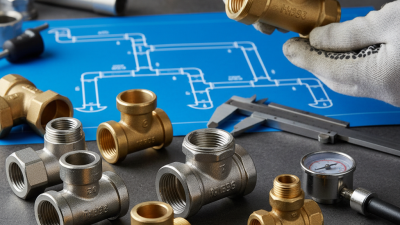
2026 Top Guide Valves Buying Guide for Global Buyers

Buying guide valves in 2026 requires more than comparing prices, materials, and delivery promises. Global buyers must connect valve selection with process conditions, plant safety, maintenance access, and long-term operating costs. A valve that looks ideal on paper may fail when exposed to abrasive media, rapid temperature changes, or unstable pressure.

Béla G. Lipták, a respected process-control authority, wrote, “The control valve is the most important part of any control loop.” That principle still matters. The right guide valves should respond accurately, seal consistently, and match the system’s actual flow requirements. Buyers should check valve size, pressure class, body material, trim design, actuator compatibility, leakage rating, and available certifications. Do not rely on product photos.

Small details matter. A stainless-steel body may resist corrosion, while hardened trim may better handle particles. A compact actuator can simplify installation, but it may provide insufficient torque during emergency shutdown. These differences affect production continuity, energy use, and maintenance budgets.

This guide valves buying guide helps international purchasers compare suppliers with greater confidence. It examines technical specifications, quality documentation, inspection practices, customization options, shipping considerations, and after-sales support. It also considers regional standards and project-specific requirements without assuming one solution fits every market.

Some recommendations remain judgment calls. Lowest cost is not always best value. Premium materials can also be unnecessary. Careful review is essential. Buyers should request test reports, traceability records, warranty terms, and clear drawings before placing an order. A practical decision usually combines engineering evidence, supplier experience, and honest evaluation of operating risks.
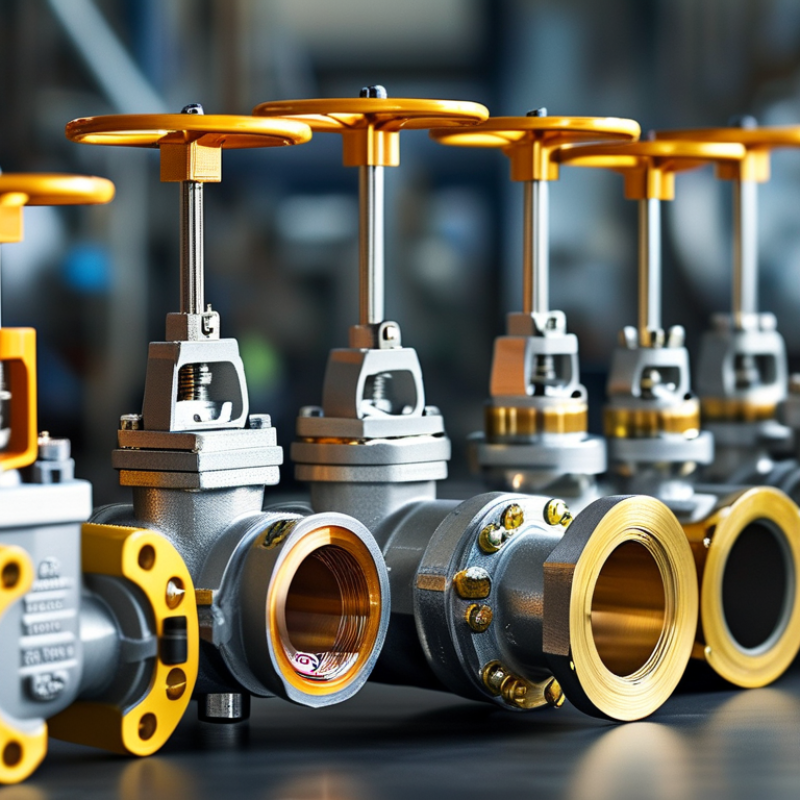
2026 Top Guide Valves Buying Guide for Global Buyers

Understanding Valve Types, Functions, and Core Applications

Choosing a valve begins with the process, not the price. Gate valves suit fully open or closed pipelines, especially where pressure loss must stay low. Globe valves provide precise throttling for steam, water, and chemical flow. Ball valves shut quickly with a quarter turn, but their seats need careful temperature evaluation.

Butterfly valves are compact and practical for large-diameter lines. Check valves prevent reverse flow in pumps, compressors, and drainage systems. Safety valves release excess pressure when equipment reaches a dangerous limit. Top-guided control valves offer stable regulation in demanding systems, although poor sizing can cause noise, vibration, or early wear.

A reliable selection checks media, pressure, temperature, pipe size, connection type, and actuation method. Stainless steel may resist corrosion, while alloy materials can handle higher temperatures. The wrong seal can fail even when the valve body looks strong. Field technicians should inspect alignment, actuator travel, and gasket condition before commissioning. Small details matter. I have seen projects focus on flow capacity and overlook maintenance access. That mistake increases downtime. Buyers should request test records, material certificates, operating limits, and clear installation instructions. Standards support quality, but documentation does not replace engineering judgment. A valve that works well in clean water may perform poorly with abrasive slurry or sticky fluids. Allow room for uncertainty, because real operating conditions rarely match the original datasheet perfectly.

2026 Top Guide Valves Buying Guide for Global Buyers

Understanding Valve Types, Functions, and Core Applications

The chart shows common ASME B16.34 pressure class designations used when specifying industrial valves, from Class 150 to Class 2500. A higher class generally indicates a higher pressure-capability category, but the actual allowable working pressure depends on the valve material, temperature, size, and applicable standard. Buyers should verify the pressure-temperature rating before selecting a valve for process, water, energy, or chemical-service applications.

Reference: ASME B16.34 pressure-class designations. Class numbers are nominal designations and are not direct pressure values in psi.

Defining Technical, Material, and Performance Requirements

2026 Top Guide Valves Buying Guide for Global Buyers

Defining Technical, Material, and Performance Requirements

Valve selection begins with the process, not the product catalog. Define the fluid, pressure, temperature, flow rate, and operating frequency. Record normal and emergency conditions. A neat datasheet can still hide a poor assumption.

Choose the valve type according to control needs and service behavior. Isolation duty may require a different design than throttling duty. Specify the connection standard, bore size, actuator type, response time, and fail-safe position. Check pressure ratings at actual temperatures, not room temperature alone. Small details matter.

Material compatibility deserves equal attention. Corrosive fluids may attack the body, trim, seals, or fasteners differently. Consider erosion, cavitation, contamination, and thermal cycling. Stainless alloys are not automatically suitable for every medium. Request material certificates, test records, dimensional drawings, and traceability documents.

Performance requirements should be measurable. Define leakage limits, cycle life, noise limits, torque margins, and inspection stages. Independent testing can strengthen confidence. However, testing may not represent every field condition. This is where buyers should challenge assumptions. Ask how the valve performs after storage, transport, repeated cycling, and maintenance. Local service capability also affects lifecycle reliability. A lower purchase price can become expensive when spare parts, training, or technical support are unavailable.

Comparing Valve Standards, Certifications, and Global Compliance

2026 Top Guide Valves Buying Guide for Global Buyers

Comparing Valve Standards, Certifications, and Global Compliance

Global valve procurement is becoming more technical. The International Energy Agency’s World Energy Investment 2024 report estimates global energy investment will exceed 3 trillion dollars, with clean-energy projects receiving about 2 trillion dollars. These projects require valves that match pressure, temperature, emissions, and safety conditions. A familiar certificate alone is not enough.

Start with the design standard. ASME B16.34 covers pressure-temperature ratings and construction requirements. ISO 5208 defines pressure testing and leakage rates. API 598 is widely used for inspection and testing. For control systems, IEC 61508 supports functional safety assessment. These standards answer different questions. They should not be treated as interchangeable.

Check regional compliance before comparing prices. Pressure equipment sold into the European market may require conformity with the Pressure Equipment Directive. Other regions may request local registration, material certificates, or third-party inspection. Ask for hydrostatic test records, heat numbers, welding qualifications, calibration dates, and a clear certificate scope. ISO 9001 certification can support quality management, but it does not prove that every valve meets the requested design standard.

In practice, documents often look complete while traceability is weak. This is an uncomfortable risk. Confirm the certificate holder, product range, testing laboratory, and validity period. A small mismatch in flange rating or leakage class can delay installation. Procurement teams should also verify translated documents with the original issuing body. No checklist removes every mistake. It only makes hidden mistakes easier to find.

Evaluating Suppliers, Pricing, Quality, and Total Ownership Costs

Buying top guide valves in 2026 requires more than comparing catalog prices. Supplier reliability, documented quality, and total ownership costs deserve equal attention. Experienced buyers should request material certificates, pressure-test records, dimensional drawings, and clear production schedules. Ask for evidence. A supplier that answers quickly but avoids technical details may create expensive delays later.

Evaluate the valve’s complete operating environment. Check pressure, temperature, fluid compatibility, cycling frequency, and installation space. A low-cost carbon steel body may fail early in corrosive service, while a higher-grade alloy could reduce replacement frequency. Inspect sealing materials, stem design, actuator performance, and spare-part availability. I have seen projects save five percent during purchasing and lose much more through frequent maintenance. That lesson still needs repeating.

Pricing should include freight, inspection, installation, energy use, maintenance labor, downtime, and disposal. Compare quotations using the same specifications and delivery terms. Request a five-year cost model, even when the forecast is uncertain. It will expose hidden assumptions. Ownership costs are rarely precise, and buyers sometimes underestimate training or emergency inventory. Do not guess. Include warranty response times, technical support, and local service capability in the evaluation. A reliable supplier should explain quality controls clearly, accept reasonable inspection requirements, and provide traceable documents from production through delivery.

Planning International Procurement, Inspection, Shipping, and Support

2026 Top Guide Valves Buying Guide for Global Buyers

Planning international procurement of guide valves requires more than comparing unit prices. Define pressure class, media, temperature, connection standard, actuator needs, and control accuracy before requesting quotations. A useful specification sheet includes body material, trim details, leakage limits, test pressure, spare parts, and operating cycles. In field projects, unclear terminology causes more delays than manufacturing time. Ask suppliers to confirm every parameter in writing. Small mismatch, costly correction.

A reliable inspection plan should cover raw material certificates, dimensional checks, surface finish, assembly records, and hydrostatic or functional tests. Use calibrated instruments and retain dated photographs. Witness testing when the valve controls a critical process. Remote inspection can work, but it is not equally strong for every risk. I have seen documents look complete while packaging failed to protect exposed flanges. That weakness deserves honest review. For shipping, specify preservation oil, flange covers, moisture barriers, shock indicators, crate markings, and lifting points. Verify export documents against the packing list before loading.

International support should be agreed before purchase order release. Request installation instructions, torque data, drawings, maintenance intervals, and a named technical contact. Confirm response times across time zones and the process for replacement parts. Keep serial numbers linked to inspection records. This improves traceability during commissioning. Even experienced teams miss one detail. Include a site acceptance checklist and record deviations rather than hiding them. Reliable procurement is built through evidence, clear communication, and practical follow-up—not confident promises.

×
img

    Contact Info

    Phone number

    661-392-8948

    Address info

    3451 Pegasus Drive, Bakersfield, CA USA