2026 Best Roots Blower Manufacturers for Global Buyers?
Choosing the right Roots Blower manufacturer in 2026 requires more than comparing prices or catalog images. Global buyers need dependable equipment, clear technical data, and support that remains available after shipment. A blower may look excellent online, yet perform poorly when dust, heat, moisture, or unstable power enters the application.
This guide examines manufacturers through practical purchasing factors. These include displacement accuracy, pressure range, noise control, oil management, material quality, and factory testing. It also considers delivery experience, spare parts availability, warranty clarity, and engineering communication. Real-world details matter. Ask whether the supplier can provide performance curves, inspection records, vibration limits, and installation guidance. A reliable manufacturer should explain limitations without hiding behind impressive claims.
No ranking is perfect. Buyer priorities differ between wastewater treatment, pneumatic conveying, aquaculture, cement handling, and industrial vacuum systems. Some suppliers offer advanced customization but require longer lead times. Others provide faster delivery but fewer configuration options. That trade-off deserves attention. This overview compares leading Roots Blower manufacturers for global buyers, using evidence-based criteria rather than marketing language. It aims to support careful decisions, not promise universal winners. Teams should still verify current specifications, regional service capacity, and total operating costs before placing an order. Small details can decide long-term performance.
What Is a Roots Blower and How Does It Work?
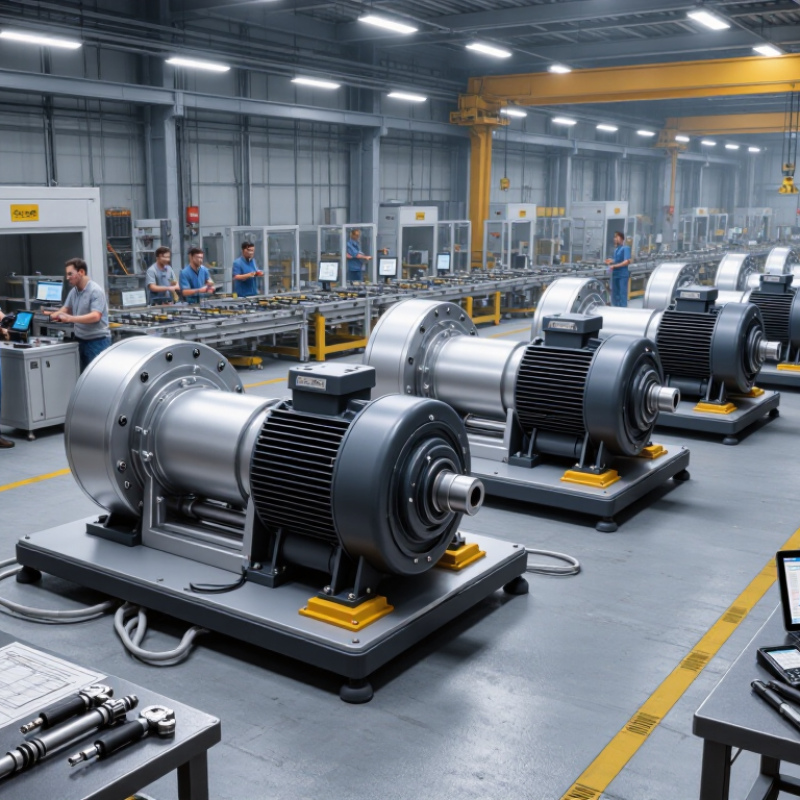
A Roots blower is a positive-displacement machine that moves a fixed volume of gas during each rotation. It uses two precisely shaped rotors inside a close-fitting housing. The rotors turn in opposite directions without touching each other. Timing gears maintain their position. The principle is simple.
As the rotors rotate, gas enters through the inlet and fills spaces between the lobes and casing. The trapped gas travels around the housing toward the outlet. A Roots blower does not normally compress gas internally like a screw compressor. Pressure develops when the outlet system resists the moving gas. This difference affects energy use, temperature, and noise.
In practical installations, I check airflow, pressure, gas temperature, motor speed, and pipeline resistance before selecting a unit. Small clearances support efficiency, but contamination can cause rapid wear. Filtration is not optional. Lubricant usually remains inside the bearing and gear chambers, while the gas path stays separated. Buyers should also examine vibration data, rotor balance, seal design, maintenance access, and test records. A suitable blower may provide steady flow, yet pulsation can remain noticeable without a silencer or flexible connection. Roots blowers work well for wastewater aeration, pneumatic conveying, vacuum service, and low-pressure process gas. However, they are not the best choice for every pressure range. Higher pressure can demand more power and create excessive heat. Field conditions often differ from catalog assumptions, so performance should be verified at the actual operating point. Clearance matters.
2026 Best Roots Blower Manufacturers for Global Buyers
What Is a Roots Blower and How Does It Work?
A Roots blower is a positive-displacement machine that uses two synchronized lobed rotors to trap and move a nearly fixed volume of gas from the inlet to the outlet. The chart shows representative operating points for common industrial applications. Actual airflow and pressure depend on rotor size, speed, gas properties, temperature, clearance, and system resistance.
Reference values are indicative engineering ranges: wastewater aeration typically operates at higher airflow with moderate pressure, while pneumatic conveying and gas boosting generally require higher pressure. Vacuum service is shown as absolute vacuum level.
How to Evaluate Roots Blower Manufacturers in 2026
When evaluating Roots blower manufacturers in 2026, start with operating evidence, not catalog promises. The U.S. Department of Energy reports that compressed-air leaks can waste 20–30% of compressor output. Ask each manufacturer for measured flow, pressure, noise, temperature, and power data at your working point. Request results tested under ISO 1217 conditions, when applicable. A low purchase price can become expensive beside a hot motor and frequent maintenance.
Check the supplier’s engineering depth. Can it size the blower for altitude, dust, humidity, and continuous duty? Can it explain rotor clearance, coating limits, bearing life, and relief-valve protection? The European Commission’s Joint Research Centre identifies energy management and efficient equipment selection as important industrial best practices. Look for documented factory testing, traceable serial records, and clear warranty exclusions. Vague answers deserve attention.
Site support matters more than polished brochures. Ask for commissioning procedures, vibration limits, spare-part lead times, and technician response across your region. Field inspections should include belt tension, inlet filtration, oil condition, and discharge temperature. Small details matter. A supplier may offer impressive efficiency figures, yet those figures can change after installation. I would also compare total cost over five years, including electricity, seals, downtime, and controls. This step is often overlooked. That is a weakness worth admitting, because buyers sometimes focus too heavily on initial price. Choose evidence you can audit, repeat, and challenge.
Comparing Roots Blower Types, Specifications, and Applications
2026 Best Roots Blower Manufacturers for Global Buyers?
Roots blower selection begins with operating conditions, not catalog capacity. Two-lobe models remain practical for wastewater aeration and low-pressure conveying. Tri-lobe designs usually deliver smoother airflow and lower pulsation. Oil-free air paths suit food processing, aquaculture, and sensitive pneumatic conveying. However, “oil-free” does not mean maintenance-free.
Compare flow in m³/min, discharge pressure in kPa, speed, motor efficiency, noise, and inlet filtration. For biogas or corrosive gas, buyers should verify seal materials and cooling limits. The U.S. Department of Energy’s Improving Compressed Air System Performance sourcebook reports that leakage can waste 20–30% of compressor output. A smaller blower with tighter pipework may outperform a larger unit. That detail is often missed.
Applications change the specification. Wastewater plants need stable aeration across changing water levels. Cement systems need abrasion-resistant filtration and reliable pressure control. Vacuum lifting requires a different duty profile than pneumatic transport.
CAGI performance guidance also emphasizes comparing tested flow, pressure, and power, rather than relying only on nominal ratings. I would question any supplier offering one “best” blower for every site. Field conditions are rarely that neat. A careful buyer should request duty-point curves, sound data, service intervals, and regional spare-parts availability before approving the purchase.
How to Select and Source the Right Global Supplier
Choosing a Roots blower supplier in 2026 requires more than comparing online prices. Begin with the operating conditions: required airflow, pressure, speed, gas temperature, and duty cycle. A supplier should explain how each specification affects efficiency, noise, vibration, and service life. Request performance curves based on your actual conditions, not general catalogue figures.
Small details matter.
Evaluate manufacturing evidence before signing a purchase order. Ask for material certificates, dimensional inspection records, balancing results, and a factory acceptance test procedure. An experienced supplier should provide clear drawings, maintenance intervals, spare-parts lists, and warranty terms. Check whether the company can support export packaging, installation guidance, and remote troubleshooting.
Cheap quotes can mislead.
I once focused too heavily on initial cost and underestimated delivery risks. The missing detail was a simple seal specification. That delay was expensive. Now, I compare lead times, communication quality, payment milestones, and replacement-part availability together.
An independent factory audit can verify equipment, testing practices, and production capacity. A sample unit or witnessed test is useful when the blower will run continuously. Confirm export documents and destination requirements early.
Do not accept vague promises about efficiency or after-sales service. Ask who will answer technical questions after delivery, and record every agreed tolerance in the contract. Reliability is built through evidence, not confident language.
 (780) 669-9420